
Welcome to the vibrant world of coffee culture, where every sip tells a story and every brew is an art form.
From the rich aromas that waft through bustling cafés to the tranquil moments spent savoring the perfect cup at home, coffee has a way of uniting people and igniting passionate discussions.
In this guide, you’ll discover innovative brewing techniques, delightful recipes, and the community that surrounds this beloved beverage, elevating your coffee experience to new heights.
Contents
- 1. The Art of French Press Brewing
- 2. Exploring Pour-Over Techniques
- 3. Savoring Cold Brew Coffee
- 4. Embracing the Espresso Experience
- 5. The Rise of Specialty Coffee
- 6. Crafting Coffee Cocktails
- 7. Coffee and Food Pairings
- 8. Sustainable Coffee Practices
- 9. Coffee Culture Around the World
- 10. Coffee and Community Events
- 11. The Science of Brewing
- 12. Coffee as a Lifestyle
- 13. Coffee and Health: Myths and Facts
- 14. The Future of Coffee Culture
- 15. Celebrating Coffee Enthusiasts: Meet the Baristas
1. The Art of French Press Brewing
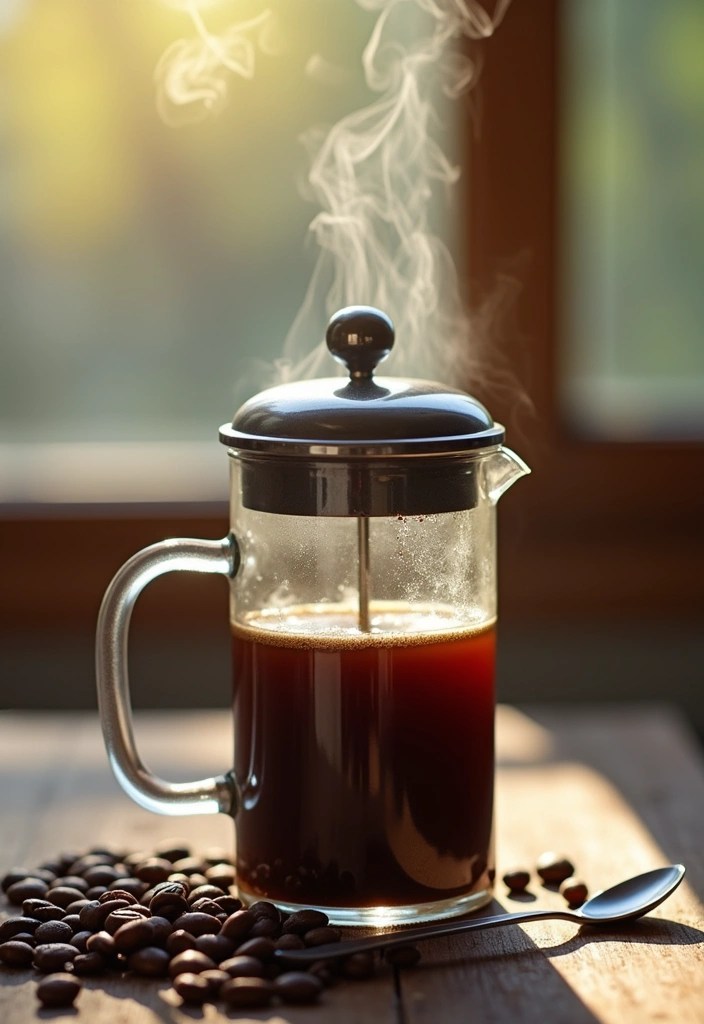
Discover the simplicity and elegance of brewing coffee with a French press, a method cherished by coffee aficionados.
This technique allows the rich oils and flavors of the coffee beans to be fully extracted, resulting in a bold and aromatic cup. The tactile experience of pressing down the plunger makes it not just a brewing method, but a ritual that many enjoy. Perfect for both single servings and larger gatherings, the French press is versatile and easy to master.
Recipe Overview:
– Servings: 4
– Prep Time: 5 minutes
– Brew Time: 4 minutes
– Total Time: 9 minutes
– Calories: 0 (black coffee)
Nutrition Information:
– Total Fat: 0g
– Sodium: 0mg
– Total Carbohydrate: 0g
– Protein: 0g
Ingredients:
– 1 cup coarsely ground coffee beans
– 4 cups hot water
Step-by-Step Instructions:
1. Begin by boiling water to just below boiling point.
2. Add the coffee grounds to the French press.
3. Pour hot water over the coffee grounds, ensuring they are fully saturated.
4. Stir gently and place the lid on the press, letting it steep for 4 minutes.
5. Slowly press down the plunger to separate the coffee grounds from the liquid.
6. Pour into your favorite mug and enjoy!
Tips for the Best Brew:
– Use freshly ground coffee for maximum flavor.
– Experiment with different coffee bean origins to find your favorite.
Frequently Asked Questions:
– Q: Can I use regular coffee grounds?
A: It’s best to use coarsely ground coffee for optimal extraction.
– Q: How do I clean my French press?
A: Disassemble and rinse with warm water, using a brush for stubborn residues.
2. Exploring Pour-Over Techniques

Pour-over coffee brewing is celebrated for its ability to highlight the unique flavors of various coffee beans, making it a favorite among specialty coffee lovers.
This meticulous method allows for precise control over water temperature and brewing time, resulting in a clean, complex cup. The elegance of the pour-over setup, with its delicate ceramic dripper and clear glass carafe, adds a visual appeal that complements the sensory experience of brewing coffee.
Recipe Overview:
– Servings: 2
– Prep Time: 5 minutes
– Brew Time: 3 minutes
– Total Time: 8 minutes
– Calories: 0 (black coffee)
Nutrition Information:
– Total Fat: 0g
– Sodium: 0mg
– Total Carbohydrate: 0g
– Protein: 0g
Ingredients:
– 30g medium ground coffee
– 500ml hot water
Step-by-Step Instructions:
1. Place a filter in the dripper and rinse it with hot water to eliminate paper residue.
2. Add the coffee grounds to the filter.
3. Start by pouring a small amount of hot water over the grounds to bloom them for 30 seconds.
4. Slowly pour the remaining water in a circular motion, allowing it to drip through.
5. Once brewed, serve immediately in your favorite mug.
Tips for the Best Brew:
– Use a gooseneck kettle for better control over water flow.
– Adjust the grind size for different flavor profiles.
Frequently Asked Questions:
– Q: What water temperature is best for pour-over?
A: Aim for around 195°F to 205°F for optimal extraction.
– Q: Can I reuse coffee grounds?
A: It’s best to use fresh grounds for each brew for the best flavor.
3. Savoring Cold Brew Coffee
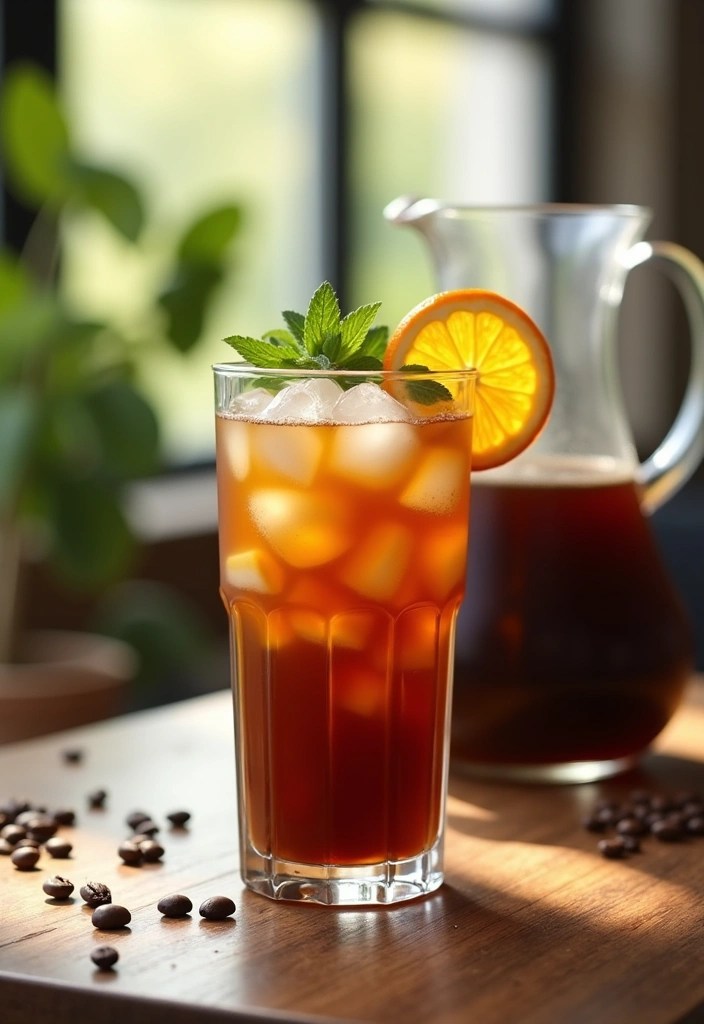
Cold brew coffee has taken the coffee world by storm, offering a smooth and less acidic alternative to traditional hot coffee.
Perfect for hot summer days, cold brew is made by steeping coarsely ground coffee in cold water for an extended period, resulting in a refreshing beverage that can be enjoyed straight or mixed into delightful coffee cocktails. The rich, mellow flavor profile makes it a versatile choice for any time of day.
Recipe Overview:
– Servings: 4
– Prep Time: 5 minutes
– Brew Time: 12-24 hours
– Total Time: 12-24 hours
– Calories: 0 (black coffee)
Nutrition Information:
– Total Fat: 0g
– Sodium: 0mg
– Total Carbohydrate: 0g
– Protein: 0g
Ingredients:
– 1 cup coarsely ground coffee
– 4 cups cold water
Step-by-Step Instructions:
1. In a large jar or pitcher, combine the coffee grounds and cold water.
2. Stir gently to ensure all grounds are saturated.
3. Cover and let steep in the refrigerator for 12-24 hours.
4. Strain the coffee through a fine mesh sieve or coffee filter.
5. Serve over ice with milk or sweetener if desired.
Tips for the Best Brew:
– Experiment with steeping times for different flavor profiles.
– Cold brew can be stored in the refrigerator for up to two weeks.
Frequently Asked Questions:
– Q: Is cold brew less acidic than hot coffee?
A: Yes, cold brew tends to be smoother and less acidic.
– Q: Can I heat cold brew coffee?
A: Yes, you can heat it up, but it may alter the flavor.
4. Embracing the Espresso Experience
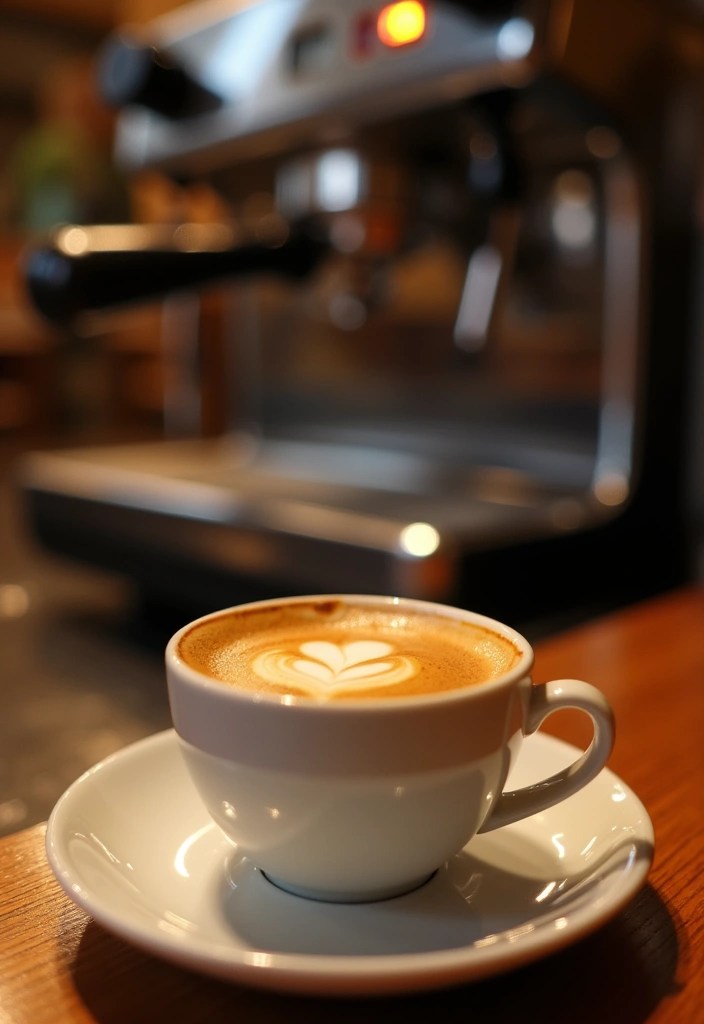
Espresso is the heart and soul of coffee culture, known for its rich flavor and intense aroma.
This concentrated coffee beverage is created by forcing hot water through finely ground coffee, resulting in a small but powerful shot that serves as the base for many beloved coffee drinks like lattes and cappuccinos. The art of crafting the perfect espresso shot involves precision and skill, making it a rewarding experience for both baristas and home brewers alike.
Recipe Overview:
– Servings: 2
– Prep Time: 3 minutes
– Brew Time: 25 seconds
– Total Time: 3 minutes 25 seconds
– Calories: 0 (black espresso)
Nutrition Information:
– Total Fat: 0g
– Sodium: 0mg
– Total Carbohydrate: 0g
– Protein: 0g
Ingredients:
– 18-20g finely ground coffee
– 1-2oz hot water (for brewing)
Step-by-Step Instructions:
1. Preheat your espresso machine and portafilter.
2. Add the finely ground coffee to the portafilter and tamp it down evenly.
3. Lock the portafilter into the machine and start the brewing process.
4. Aim for a brewing time of around 25 seconds for the perfect shot.
5. Serve immediately in a small espresso cup.
Tips for the Best Brew:
– Use freshly roasted coffee for optimal flavor.
– Experiment with different grind sizes to find your ideal extraction.
Frequently Asked Questions:
– Q: What is the ideal brew time for espresso?
A: Aim for about 25-30 seconds for the best flavor.
– Q: Can I use any coffee for espresso?
A: While you can use any coffee, espresso blends are specially formulated for this brewing method.
5. The Rise of Specialty Coffee
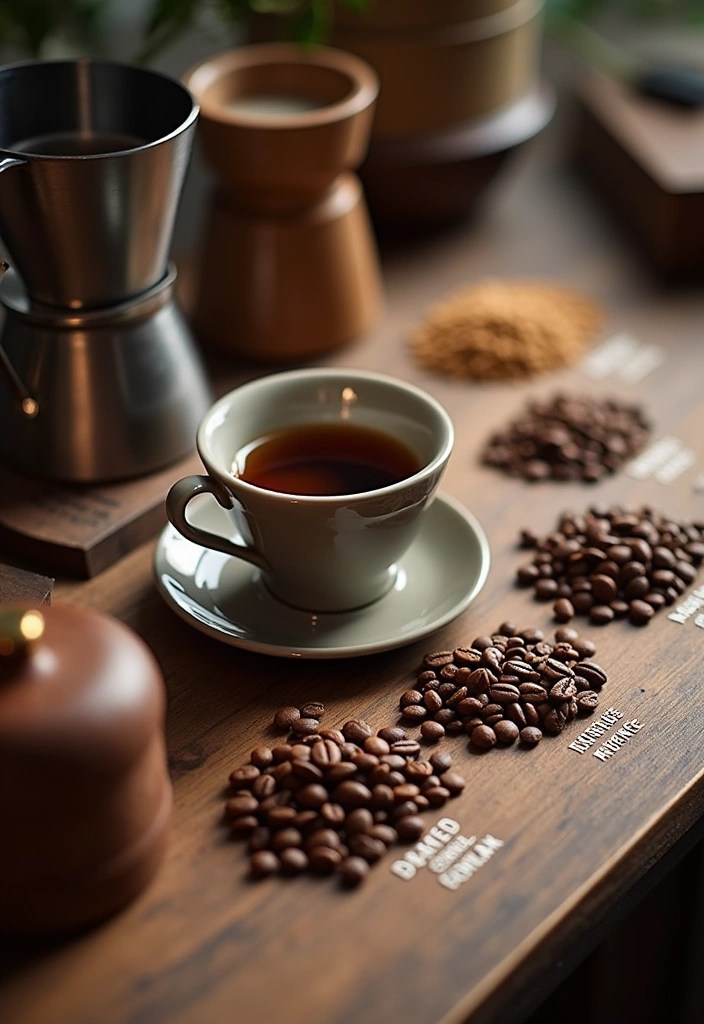
Specialty coffee has transformed the way we experience this beloved beverage, emphasizing quality, origin, and sustainable practices.
With an increased focus on single-origin beans and unique flavor profiles, consumers are becoming more discerning about their coffee choices. Specialty coffee shops curate their offerings with care, often showcasing beans from specific regions and highlighting their unique tasting notes. This movement fosters a deeper appreciation for coffee and encourages a sense of community among those who share a passion for high-quality brews.
Recipe Overview:
– Servings: 1
– Prep Time: 5 minutes
– Brew Time: Varies
– Total Time: Varies
– Calories: 0 (black coffee)
Nutrition Information:
– Varies based on preparation and additions.
Ingredients:
– 1 cup specialty coffee beans (single-origin)
Step-by-Step Instructions:
1. Choose your preferred brewing method (e.g., pour-over, French press, etc.).
2. Grind the coffee beans to match your chosen method.
3. Follow the specific brewing instructions for your method to extract the flavors.
4. Savor the unique tasting notes and aroma of your specialty coffee.
Tips for the Best Brew:
– Attend local cupping sessions to explore different flavors.
– Ask baristas for recommendations on beans that suit your palate.
Frequently Asked Questions:
– Q: What makes coffee specialty?
A: Specialty coffee is graded above 80 points on a 100-point scale by certified graders, emphasizing quality and flavor.
– Q: How can I find specialty coffee near me?
A: Look for local coffee roasters or specialty coffee shops in your area.
6. Crafting Coffee Cocktails
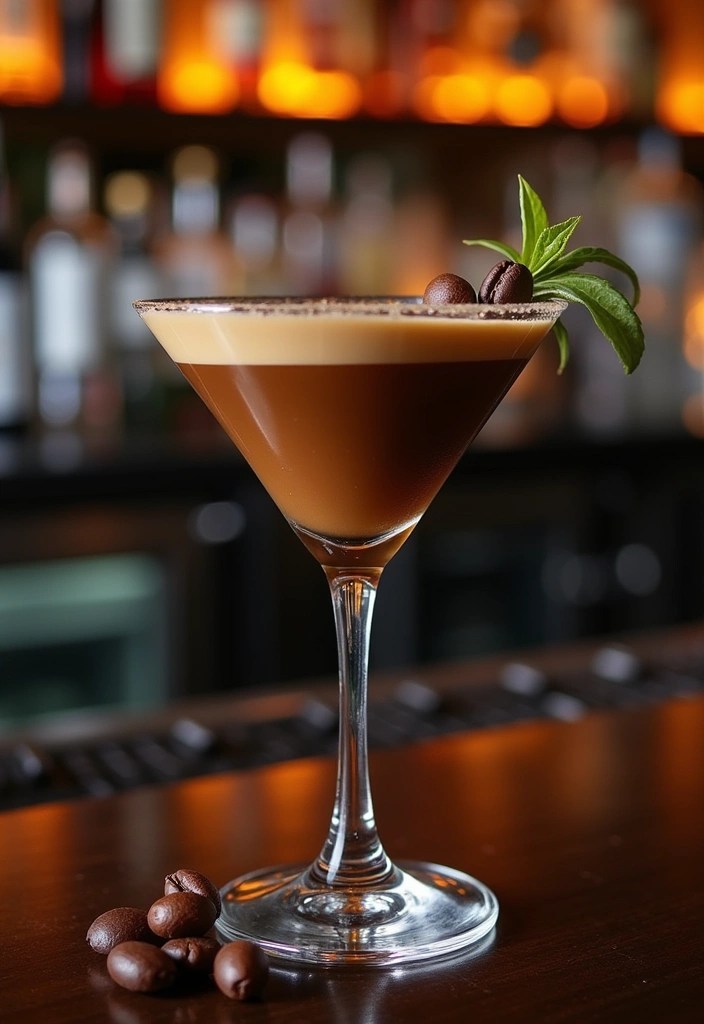
Coffee cocktails are a delightful fusion of rich coffee flavors and spirited beverages, creating an exciting twist on classic drinks.
From espresso martinis to coffee-infused old fashioneds, these cocktails offer a unique balance of bitter and sweet, making them perfect for any occasion. The versatility of coffee allows for creative experimentation, inviting mixologists and home bartenders to craft signature drinks that highlight the bold essence of coffee.
Recipe Overview:
– Servings: 2
– Prep Time: 5 minutes
– Mix Time: 5 minutes
– Total Time: 10 minutes
– Calories: Varies by ingredients.
Nutrition Information:
– Varies based on preparation and additions.
Ingredients:
– 2 oz espresso
– 1 oz vodka
– 1 oz coffee liqueur
– Ice
– Coffee beans for garnish
Step-by-Step Instructions:
1. Brew the espresso and let it cool slightly.
2. In a shaker filled with ice, combine espresso, vodka, and coffee liqueur.
3. Shake vigorously for about 15 seconds.
4. Strain into a chilled glass and garnish with coffee beans.
5. Serve immediately and enjoy!
Tips for the Best Brew:
– Use freshly brewed espresso for the best flavor.
– Experiment with different liqueurs for unique variations.
Frequently Asked Questions:
– Q: Can I make this cocktail without alcohol?
A: Yes, you can substitute coffee liqueur with coffee syrup for a non-alcoholic version.
– Q: How can I make it sweeter?
A: Add simple syrup or flavored syrups to your mix.
7. Coffee and Food Pairings
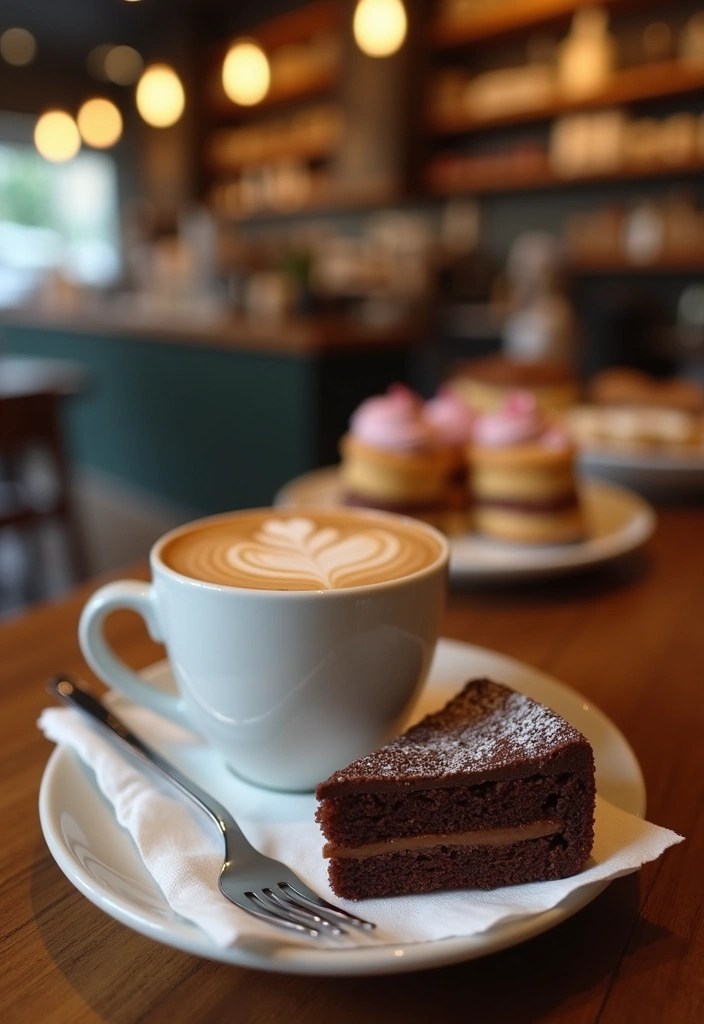
Pairing coffee with food is an art that enhances the flavors of both elements, creating a harmonious dining experience.
Whether it’s a robust dark roast with rich chocolate desserts or a light brew with delicate pastries, understanding flavor profiles allows for exciting combinations. Many coffee shops now offer curated menus that highlight complementary pairings, encouraging patrons to explore new culinary adventures.
Recipe Overview:
– Servings: 2
– Prep Time: 5 minutes
– Pairing Time: Varies
– Total Time: Varies
– Calories: Varies by food.
Nutrition Information:
– Varies based on food pairings.
Ingredients:
– 1 cup of brewed coffee (choose your favorite roast)
– 1 dessert or pastry (e.g., chocolate cake, croissant)
Step-by-Step Instructions:
1. Brew your chosen coffee using your preferred method.
2. Select a food item that complements your coffee’s flavor profile.
3. Serve both together and savor the experience of pairing flavors.
Tips for the Best Pairings:
– Experiment with different roasts and foods to find your favorite combinations.
– Ask baristas for pairing suggestions based on their menu.
Frequently Asked Questions:
– Q: What foods pair well with coffee?
A: Chocolate, nuts, and pastries typically pair well with most coffee.
– Q: Can I pair savory dishes with coffee?
A: Yes, certain coffees can complement savory dishes like breakfast burritos or grilled meats.
8. Sustainable Coffee Practices
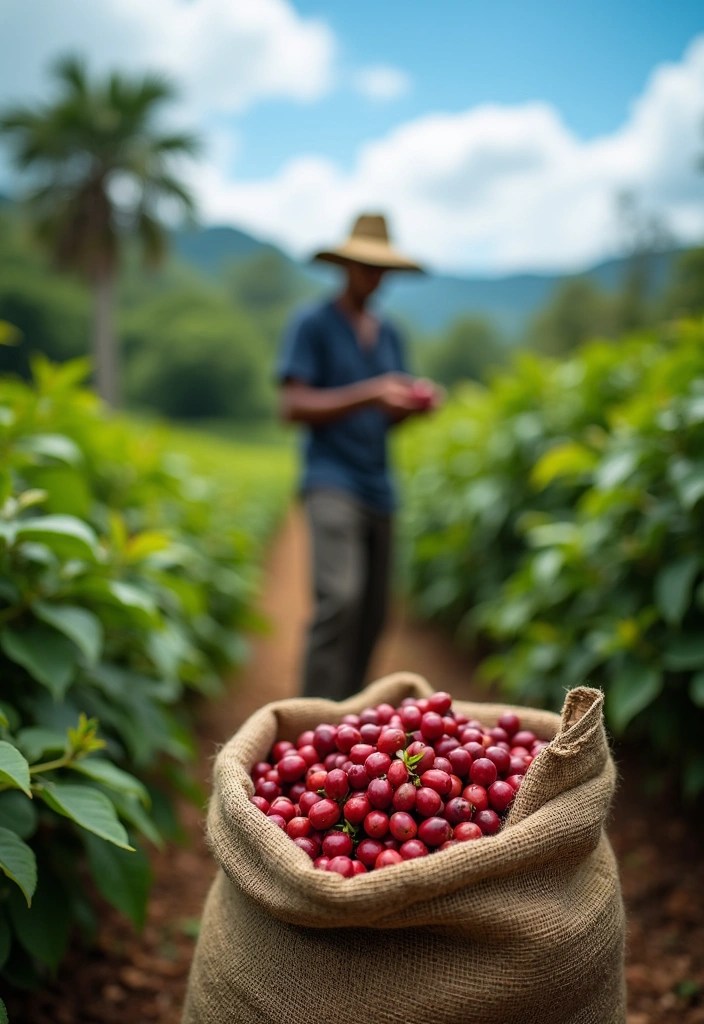
Sustainability in coffee production is becoming increasingly important as consumers demand ethical sourcing and environmentally friendly practices.
From farm to cup, sustainable coffee focuses on minimizing environmental impact and supporting fair labor practices for farmers. Many coffee brands are now certified organic or fair trade, allowing consumers to enjoy their coffee with the knowledge that they are making a positive impact on the planet and communities.
Recipe Overview:
– Servings: 1
– Prep Time: 5 minutes
– Brew Time: Varies
– Total Time: Varies
– Calories: 0 (black coffee)
Nutrition Information:
– Varies based on preparation and additions.
Ingredients:
– 1 cup sustainably sourced coffee beans
Step-by-Step Instructions:
1. Choose a sustainably sourced coffee brand.
2. Brew your coffee using your preferred method.
3. Enjoy your coffee while appreciating the impact of your choice.
Tips for Supporting Sustainability:
– Look for certifications like Fair Trade or Rainforest Alliance.
– Consider buying directly from local roasters who prioritize sustainability.
Frequently Asked Questions:
– Q: What does fair trade mean?
A: Fair trade ensures that farmers receive fair compensation and work under safe conditions.
– Q: Why is organic coffee better for the environment?
A: Organic coffee is grown without synthetic pesticides and fertilizers, promoting biodiversity.
9. Coffee Culture Around the World
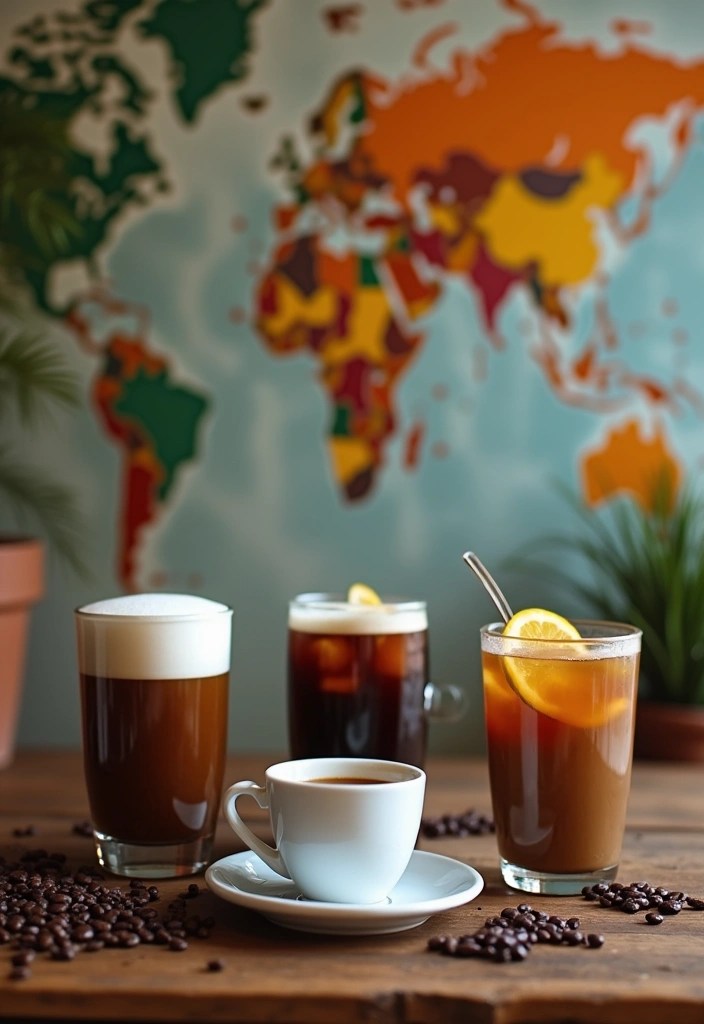
Coffee culture varies dramatically around the globe, with each region adding its own unique twist to the beverage.
From Italy’s rich espresso traditions to Ethiopia’s elaborate coffee ceremonies, the way coffee is consumed reflects the local customs and social dynamics. Exploring these cultural differences not only enriches our coffee experience but also fosters a global community of coffee lovers who share a common passion.
Recipe Overview:
– Servings: Varies
– Prep Time: Varies
– Brew Time: Varies
– Total Time: Varies
– Calories: Varies by preparation.
Nutrition Information:
– Varies based on preparation and additions.
Ingredients:
– Coffee beans specific to each culture (e.g., Arabica, Robusta)
Step-by-Step Instructions:
1. Research a specific coffee culture (e.g., Turkish coffee, Vietnamese iced coffee).
2. Gather the ingredients and tools needed for that method.
3. Brew and serve according to local customs.
Tips for Experiencing Global Coffee Culture:
– Attend international coffee festivals or cultural events.
– Ask local baristas about traditional brewing methods from their country.
Frequently Asked Questions:
– Q: What is a traditional Ethiopian coffee ceremony?
A: It involves roasting green coffee beans, grinding them, and brewing in a special pot called a jebena.
– Q: How is Vietnamese iced coffee prepared?
A: It’s made using a drip brew method with sweetened condensed milk, served over ice.
10. Coffee and Community Events
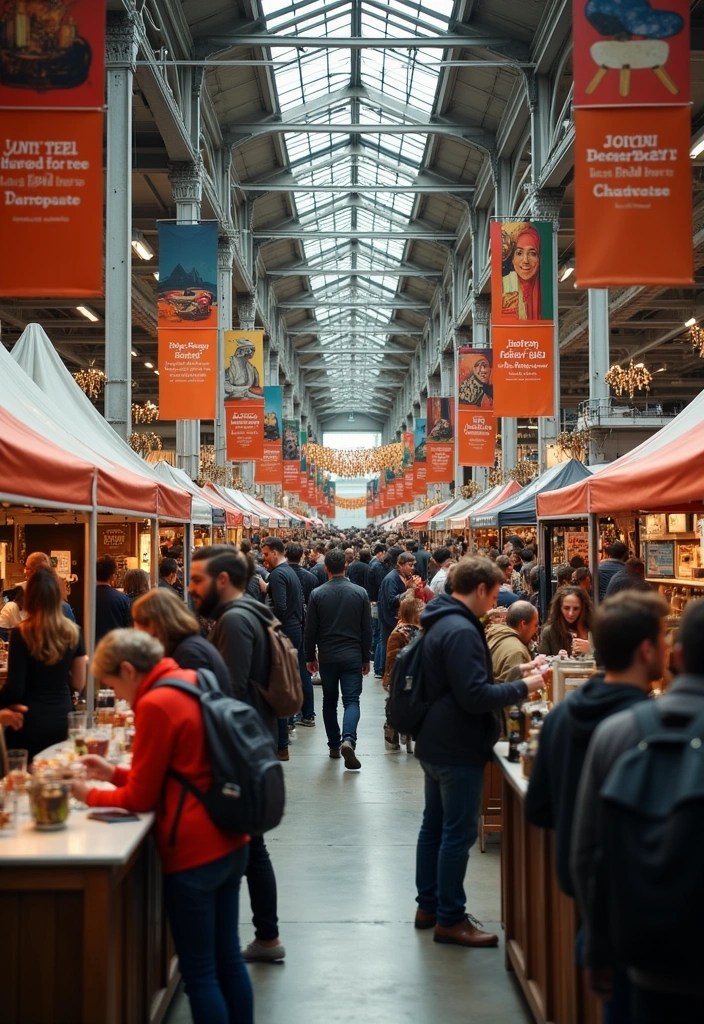
Coffee culture thrives on community, with events and gatherings celebrating the love of coffee.
From local coffee festivals to cupping sessions at cafés, these events bring together enthusiasts, roasters, and baristas, fostering connections through shared experiences. Participating in coffee-related events allows individuals to deepen their knowledge, discover new flavors, and bond over a mutual appreciation for this beloved beverage.
Recipe Overview:
– Servings: Varies
– Prep Time: Varies
– Event Time: Varies
– Total Time: Varies
– Calories: Varies by food and drink served.
Nutrition Information:
– Varies based on food and drink served.
Ingredients:
– Coffee and food items for the event.
Step-by-Step Instructions:
1. Research local coffee events in your area.
2. Gather friends or family to attend together.
3. Enjoy the coffee offerings and engage in discussions with other attendees.
Tips for Engaging with Community Events:
– Participate in workshops to learn more about brewing techniques.
– Network with local coffee professionals and enthusiasts.
Frequently Asked Questions:
– Q: How can I find coffee events near me?
A: Check social media, local café bulletins, or coffee enthusiast groups online.
– Q: What should I bring to a coffee tasting event?
A: Bring your palate and an open mind, and consider bringing a notebook for tasting notes.
11. The Science of Brewing
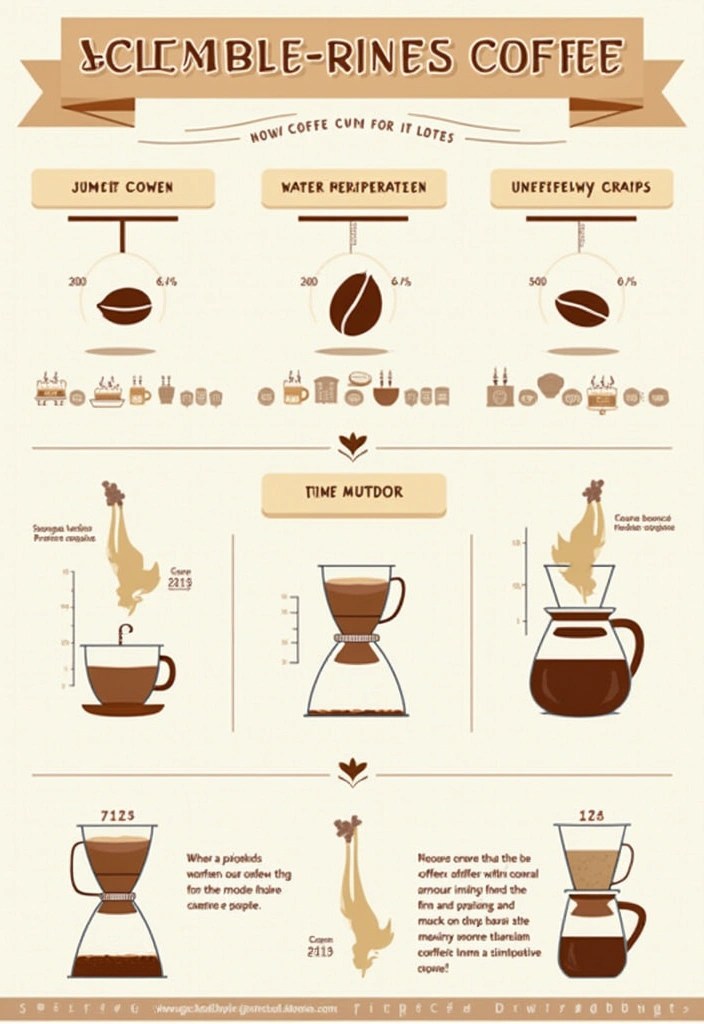
Understanding the science behind coffee brewing can elevate your coffee experience significantly.
Factors such as water temperature, brew time, grind size, and coffee-to-water ratio all play crucial roles in flavor extraction. Learning the chemistry of coffee allows you to fine-tune your brewing techniques, ensuring that each cup is as flavorful and satisfying as possible.
Recipe Overview:
– Servings: Varies
– Prep Time: Varies
– Brew Time: Varies
– Total Time: Varies
– Calories: Varies by preparation.
Nutrition Information:
– Varies based on preparation and additions.
Ingredients:
– Quality coffee beans
– Water
Step-by-Step Instructions:
1. Measure your coffee and water accurately.
2. Experiment with different brewing times and temperatures.
3. Adjust grind size based on your brewing method.
4. Taste and refine your methods based on your preferences.
Tips for Mastering the Science of Brewing:
– Use a scale to measure your coffee and water.
– Keep a brewing journal to track your experiments.
Frequently Asked Questions:
– Q: What is the ideal coffee-to-water ratio?
A: A general guideline is 1:15 coffee to water.
– Q: How does grind size affect flavor?
A: Finer grinds typically extract flavors faster, while coarser grinds can lead to a milder taste.
12. Coffee as a Lifestyle

For many, coffee is more than just a drink; it’s a lifestyle that encompasses rituals, social interactions, and personal moments of reflection.
From leisurely coffee shop visits to home brewing routines, coffee culture offers a way to connect with oneself and others. This lifestyle encourages mindfulness and appreciation for the simple pleasures in life, making each cup a moment to cherish.
Recipe Overview:
– Servings: Varies
– Prep Time: Varies
– Enjoyment Time: Varies
– Total Time: Varies
– Calories: Varies based on preparation.
Nutrition Information:
– Varies based on preparation and additions.
Ingredients:
– Your favorite coffee blend
Step-by-Step Instructions:
1. Set aside time for your coffee ritual, whether at home or in a café.
2. Brew your coffee with intention and mindfulness.
3. Savor each sip, reflecting on the moment.
Tips for Embracing Coffee as a Lifestyle:
– Create a cozy coffee nook at home for your brewing rituals.
– Share your coffee moments on social media to connect with fellow enthusiasts.
Frequently Asked Questions:
– Q: How can I make my coffee ritual more enjoyable?
A: Create a comfortable space, use high-quality coffee, and take your time.
– Q: Can coffee culture help with social connections?
A: Absolutely! Coffee shops are great places to meet and connect with others who share your interests.
13. Coffee and Health: Myths and Facts
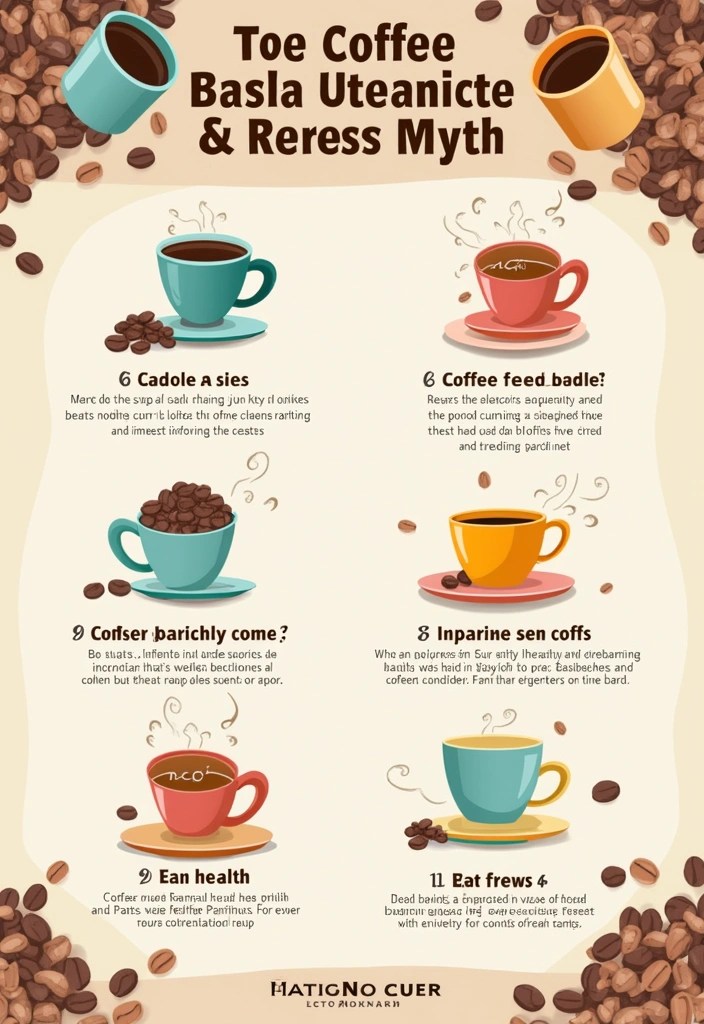
The relationship between coffee and health is often surrounded by myths and misconceptions.
Understanding the health benefits and potential downsides of coffee consumption can empower you to make informed choices. Research indicates that moderate coffee intake can offer various health benefits, including improved cognitive function and increased metabolism, while also addressing common concerns about caffeine sensitivity and effects on sleep.
Recipe Overview:
– Servings: Varies
– Prep Time: Varies
– Brew Time: Varies
– Total Time: Varies
– Calories: Varies based on preparation.
Nutrition Information:
– Varies based on preparation and additions.
Ingredients:
– Your favorite coffee blend
Step-by-Step Instructions:
1. Brew your coffee using your preferred method.
2. Research and review health studies related to coffee consumption.
3. Enjoy your coffee while considering its health benefits.
Tips for Healthy Coffee Consumption:
– Limit sugar and high-calorie creamers in your coffee.
– Stay hydrated and balance coffee with water intake.
Frequently Asked Questions:
– Q: Is coffee bad for you?
A: Moderate coffee consumption is generally safe and may have health benefits.
– Q: Can coffee impact sleep?
A: Yes, caffeine can affect sleep, so consider your consumption timing.
14. The Future of Coffee Culture

As coffee culture continues to evolve, innovative trends and practices are shaping the future of how we enjoy our favorite beverage.
From advancements in brewing technology to an increased focus on sustainability and community engagement, the future promises exciting changes that will further enrich our coffee experiences. Staying informed about these trends allows enthusiasts to embrace new methods and flavors, ensuring that coffee remains a dynamic and cherished part of our lives.
Recipe Overview:
– Servings: Varies
– Prep Time: Varies
– Brew Time: Varies
– Total Time: Varies
– Calories: Varies based on preparation.
Nutrition Information:
– Varies based on preparation and additions.
Ingredients:
– Your favorite coffee blend
Step-by-Step Instructions:
1. Stay updated on coffee trends through industry news and social media.
2. Experiment with new brewing methods and flavors.
3. Engage with local coffee communities to share insights and experiences.
Tips for Embracing the Future of Coffee Culture:
– Follow coffee influencers and brands online for inspiration.
– Attend workshops to learn about new innovations in coffee.
Frequently Asked Questions:
– Q: What are some emerging trends in coffee?
A: Trends include sustainability practices, unique brewing methods, and innovative coffee cocktails.
– Q: How can I contribute to the future of coffee culture?
A: Support local businesses, share your coffee experiences, and engage with your community.
15. Celebrating Coffee Enthusiasts: Meet the Baristas
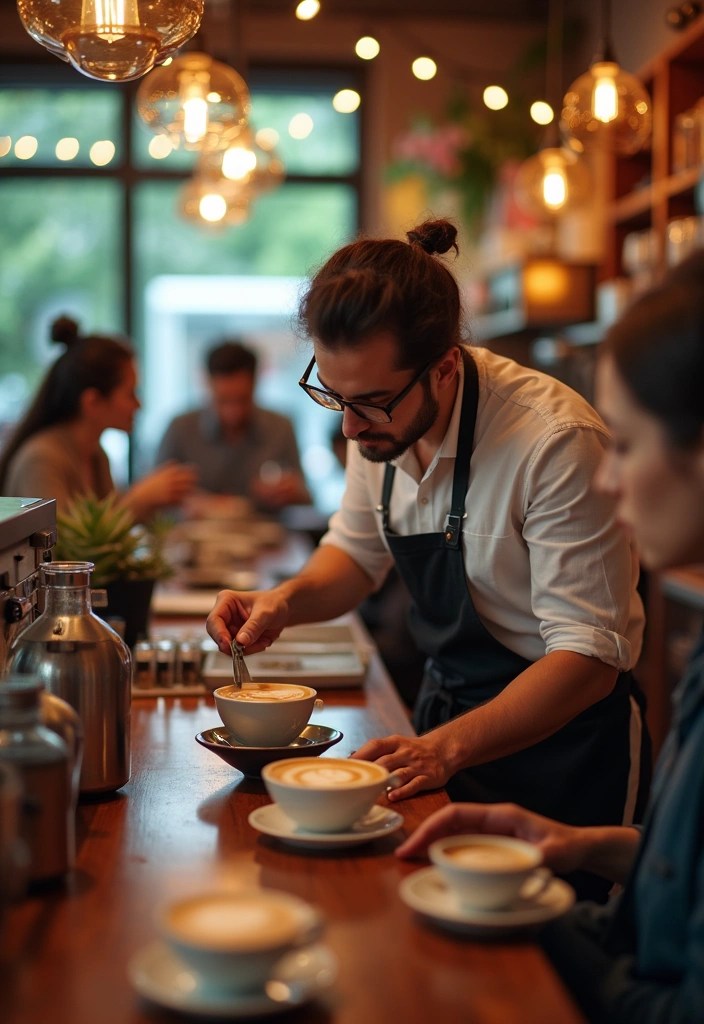
Baristas are the unsung heroes of coffee culture, blending skill, artistry, and passion to create the perfect cup of coffee.
Meeting and learning from baristas can enhance your understanding of brewing techniques and flavor profiles. Many baristas love sharing their knowledge and experiences, fostering a sense of community among coffee lovers. Celebrating these dedicated individuals helps strengthen the bonds within the coffee culture and inspires others to appreciate the craft.
Recipe Overview:
– Servings: Varies
– Prep Time: Varies
– Brew Time: Varies
– Total Time: Varies
– Calories: Varies based on preparation.
Nutrition Information:
– Varies based on preparation and additions.
Ingredients:
– Your favorite coffee blend
Step-by-Step Instructions:
1. Attend local coffee workshops or events to meet baristas.
2. Ask questions about their brewing techniques and coffee selections.
3. Share your coffee experiences with them to foster connection.
Tips for Celebrating Baristas:
– Show appreciation through tips and positive feedback.
– Share their insights and creations on social media to highlight their work.
Frequently Asked Questions:
– Q: How can I learn more about coffee from baristas?
A: Engage with them during your visits, attend events, and participate in workshops.
– Q: What makes a great barista?
A: Great baristas blend technical skill with a passion for coffee and customer service.
Conclusion

Coffee culture is a rich tapestry woven from diverse brewing methods, unique flavors, and passionate communities.
As you embark on your journey to brew your best cup yet, remember to savor each moment and connect with fellow coffee lovers. By embracing the trends and practices shared in this guide, you become a part of a vibrant culture that cherishes the art of coffee.
 Santiago's Convenience
Leave a comment